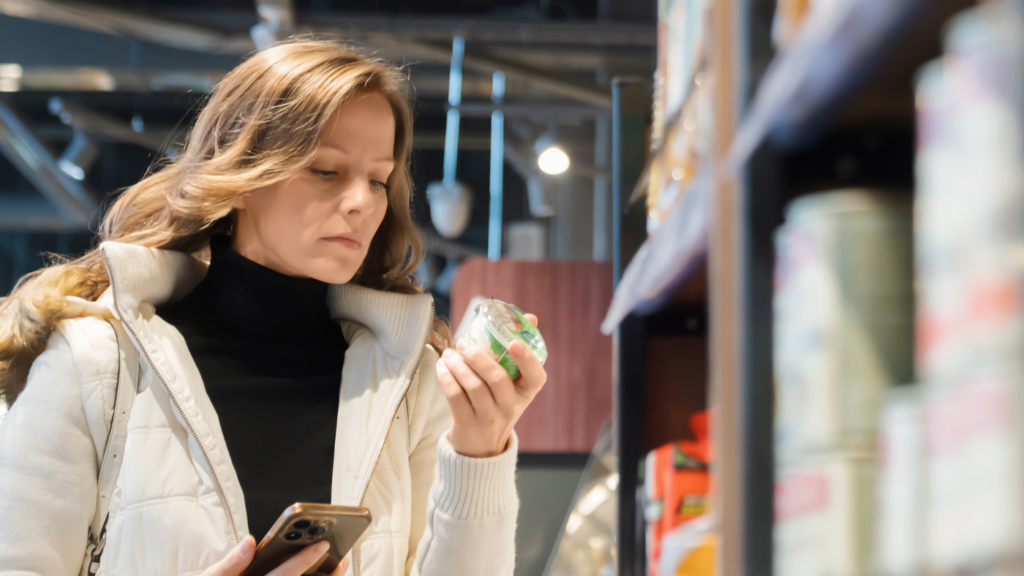
Walk down any grocery aisle and you’ll see more “free from” claims than ever before. For families managing food allergies, those words carry significant weight. They often influence whether a product goes into the cart or stays on the shelf. Whether it’s “free from peanuts,” “dairy-free,” or another allergen-related statement, these claims have become an important part of how consumers shop.
But not every free-from claim is backed by the same level of verification. While two products may appear equally trustworthy at first glance, there’s an important difference between a manufacturer making its own claim and an independent organization verifying that the claim is supported by rigorous food safety practices.
Understanding What a Free-From Claim Really Means
Many consumers assume that if a package says a product is free from a particular allergen, someone has independently confirmed that claim. In most cases, that’s not how it works.
The Food Allergen Labeling and Consumer Protection Act (FALCPA) requires manufacturers to clearly identify the Top 9 allergens when they are intentionally added as ingredients. However, the law does not establish standards for most voluntary “free-from” claims or Precautionary Allergen Labeling (PAL) statements such as “may contain.”
That means companies are generally responsible for determining whether they can make those claims based on their own manufacturing practices and internal quality programs. Most brands take that responsibility seriously and invest considerable effort into allergen management. But without third-party verification, consumers are ultimately relying on the company’s own assessment that its systems are working as intended.
Looking Beyond the Label
A product label can only communicate so much. What shoppers don’t see are the processes that happen long before a product reaches the shelf. Questions like: How are ingredients sourced? How are suppliers evaluated? What procedures are in place to prevent cross-contact? How are employees trained? Are cleaning and sanitation methods validated? These are the questions that determine whether a free-from claim can consistently be supported.
Certified Free From® (CFF) looks beyond the finished package to evaluate the manufacturing system behind it. Certification requires a comprehensive audit of the supply-chain approval process including suppliers and ingredients, allergen management programs, employee training, sanitation procedures, production practices, testing protocols, and other critical food safety measures.
Just as important, certification requires on-site facility assessment. While documentation is an important part of any food safety program, paperwork alone cannot prove operational integrity. On-site assessments deliver critical operational insights that forms and virtual reviews simply cannot replicate.
Why Ongoing Verification Matters
Food manufacturing is dynamic by nature. Over time, suppliers may change, ingredients may be reformulated, equipment may be updated, employees come and go, and production schedules shift to support new products and customer needs. These changes are exactly why ongoing verification is so important.
A free-from claim printed on packaging reflects a point in time, but consumers may be purchasing that same package months (or even a year) later. That’s just one reason ongoing verification is so valuable.
Certified Free From® certification isn’t a one-time process. Certified brands participate in continued oversight that includes monthly testing, quarterly reporting, and an annual on-site re-audit. This ongoing process helps ensure that the systems supporting a free-from claim continue to perform as expected over time.
Rather than relying on a claim that was verified once, shoppers can have confidence that the product is still being evaluated long after it first entered the marketplace.
Building Confidence for Consumers and Brands
For consumers living with food allergies, trust is incredibly important. Every purchase involves a decision about safety, and confidence comes from knowing that a claim has been independently evaluated, not simply self-declared.
For brands, third-party certification offers meaningful value as well. It demonstrates a commitment to transparency, strengthens credibility with retailers and consumers, and provides objective evidence that allergen management practices have been thoroughly reviewed and verified.
At the end of the day, saying a product is free from an allergen is relatively easy. Demonstrating that the people, processes, and systems behind that claim continue to support it is what truly builds trust.
If your brand is ready to strengthen consumer confidence and validate its free-from claims through independent third-party certification, learn more and apply for Certified Free From® certification at CFFfoods.org. Our comprehensive certification program helps brands demonstrate their commitment to food safety while giving consumers greater confidence in every purchase.